
Brand Positioning Template for Global Markets: How To Win Trust Before You Sell
Table of Contents
At Indian Weddings, the buffet always seems more attractive than the Bride and Groom.
Agree or not- we know what’s cooking. 😉
‘Dinner is Open’– This announcement has eyes shining brighter and mouths watering harder.
And soon we see ourselves queued before the long line of silver chafing dishes. The air smells like butter, smoke, cardamom, and something frying somewhere in the distance.
You are all set to dig in when someone behind you abruptly says, “Try the pasta counter, it’s amazing.” You hear it, but your eyes are already hunting.
‘Butter chicken first’.
That deep orange gravy you’ve trusted since childhood. Next to it, a basket of soft naan releasing little clouds of steam every time the lid opens. A familiar comfort settles in before you’ve even taken the first bite. Your eyes close automatically at the aroma of the food itself.
No debate. Just complete BLISS.
Only after that “safe food” is locked in when you start feeling adventurous.
‘ Maybe a spoonful of “Pasta” will also not hurt.’
But the foundation of the plate? That was decided in seconds, guided by instinct and memory.
—————————————————————-
Everyone does this. Quietly. Automatically. Almost emotionally. Because when we’re surrounded by too many choices, we don’t start with what looks impressive. We start with what feels familiar.
Now zoom out for a second.
This exact moment plays out every day when a brand enters a new country, confident in a positioning strategy that was entirely successful in its home market.
And then the new audience arrives, metaphorical plate in hand, scanning the buffet of options in front of them.
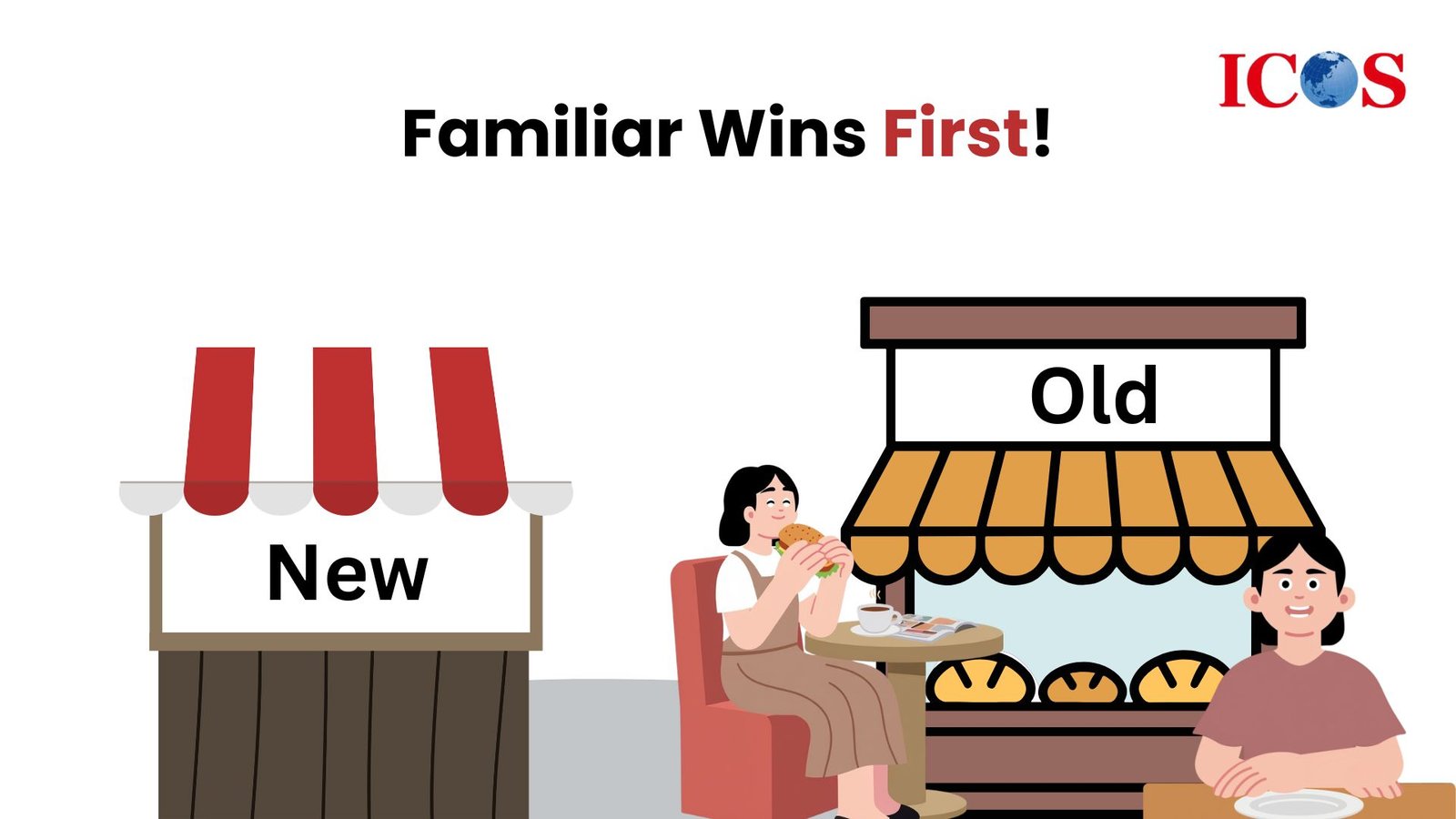
They compare. And without saying a word, they settle for brands that feel familiar first. This is the silent filter most global expansion strategies underestimate.
Brand positioning is about cultural familiarity.
And that’s exactly where a modern brand positioning template built with localization at its core begins.
What is Brand Positioning? (When Your Audience Doesn’t Know You Yet)
At the wedding buffet, nobody asks for the chef’s credentials. Nobody studies the ingredient sourcing. Nobody requests a backstory before picking up the serving spoon.People choose what they recognize. That instinct is the foundation of brand positioning.In simple terms, brand positioning is the mental space your brand occupies in a customer’s mind compared to alternatives. It answers the obvious question every buyer asks within seconds: ‘Why should I choose you instead of the other options in front of me?’In a local market, this is challenging. In a global market, it becomes psychological.Because the moment you enter a new country, your brand loses its home advantage. You are no longer the butter chicken on the buffet.
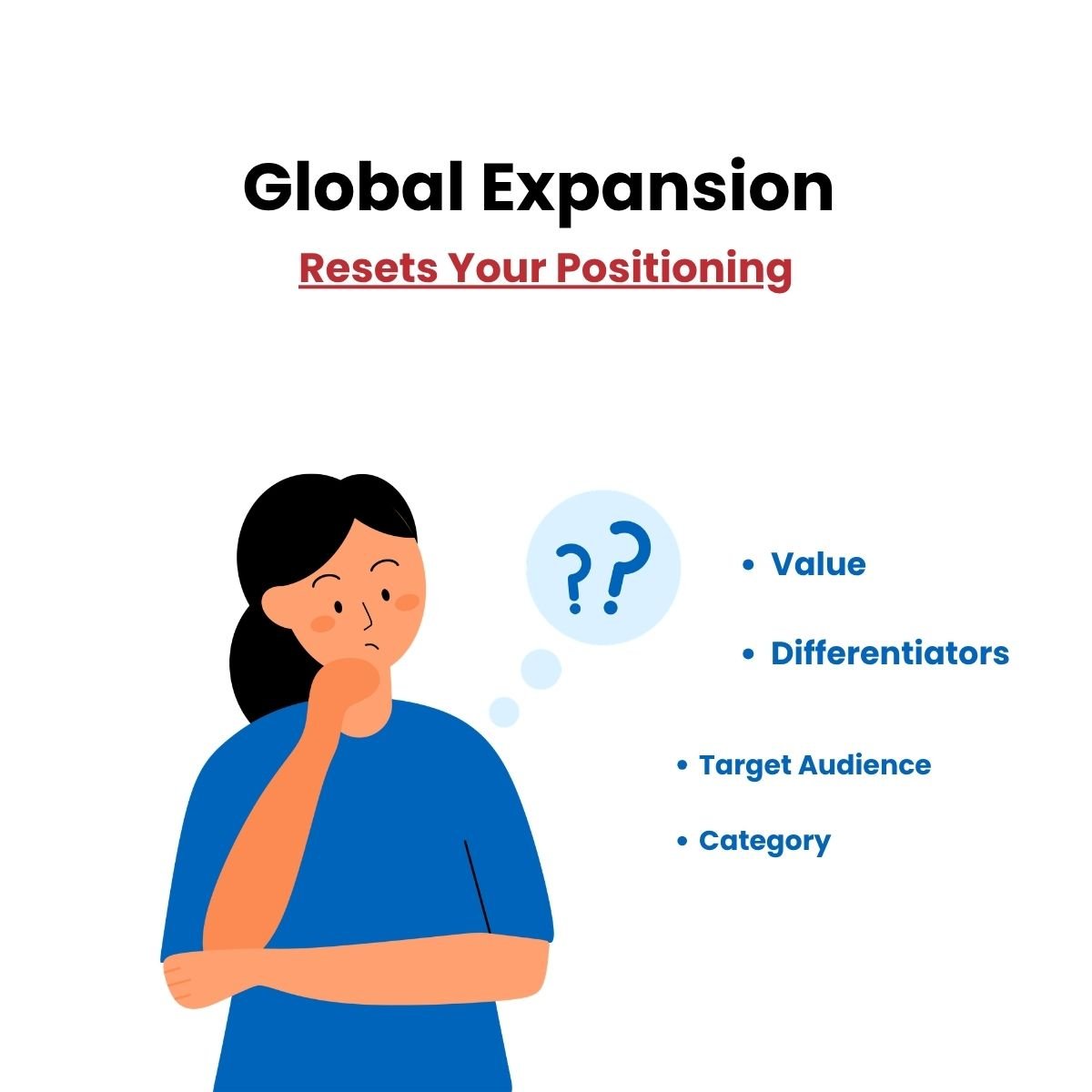
You are that unfamiliar dish with the tiny label.And unfamiliar brands must work harder to earn the first spoonful.The Traditional View of Brand PositioningMost positioning frameworks focus on four core pillars:Target audienceCategory and competitorsUnique valueKey differentiatorsThis works well when the audience shares the same language, culture, humor, and expectations.But global expansion quietly disrupts every single one of these pillars.Your target audience changes.Your competitors change.Your value may be perceived differently.Even your differentiators may lose meaning.A message that signals premium quality in one country may signal high price in another. A tone that feels confident in one culture may feel aggressive in another. A promise that feels exciting in one region may feel unrealistic somewhere else.This is where most brand positioning templates quietly fail. And this is where localization enters.Before we build the global brand positioning template, we need to go deeper into the foundation that shapes how positioning is perceived: brand identity.
What is Brand Identity in Global Markets?
If brand positioning is the spot you want in the customer’s mind, brand identity is everything you use to claim that spot.Your voice.
Your tone.
Your colors.
Your visuals.
Your taglines.
Your personality.
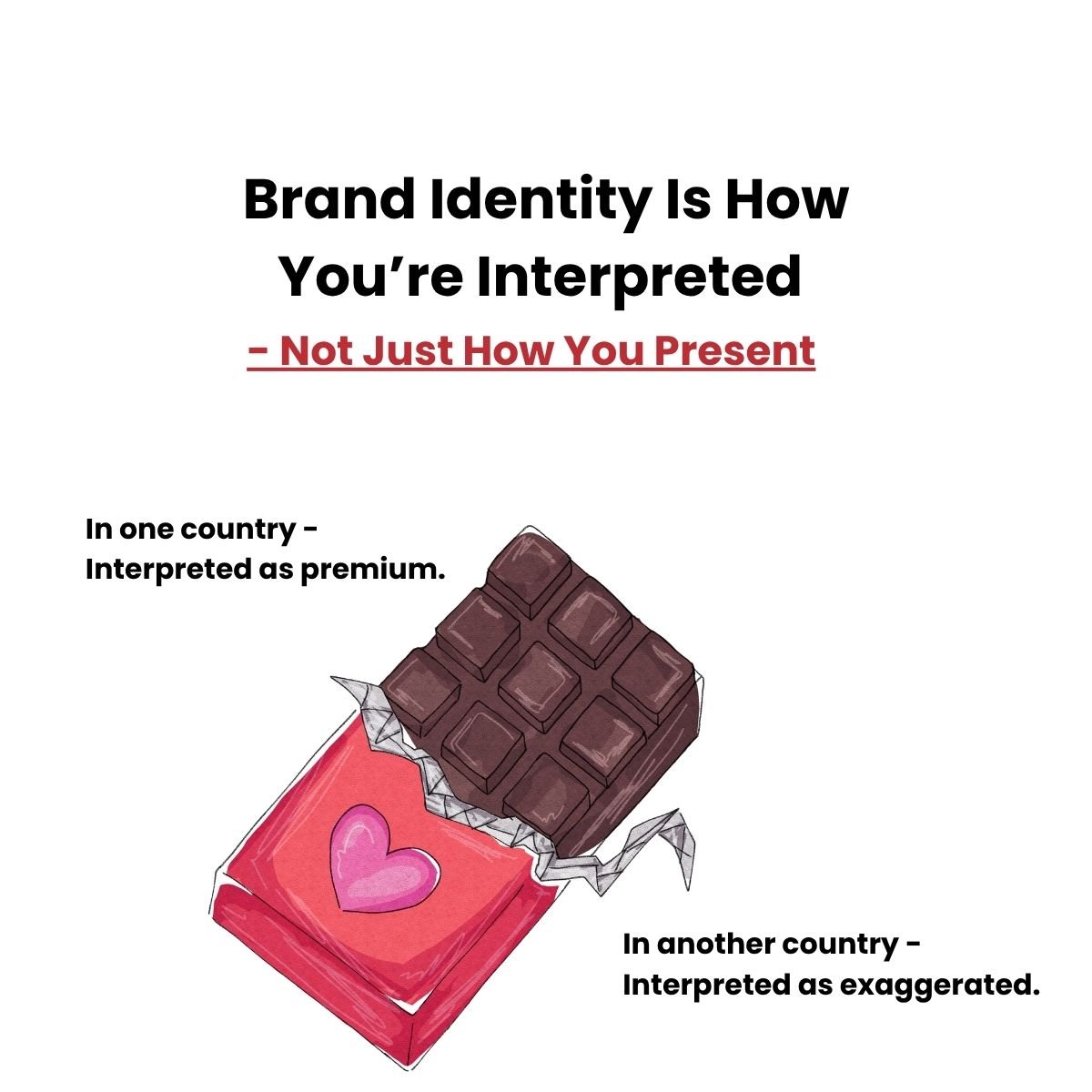
Your promises.It’s the full sensory package that tells people what kind of brand they’re dealing with before they’ve even worked with you.In your home market, brand identity often feels stable. Teams spend months refining tone guidelines, visual systems, messaging pillars, and storytelling angles. Eventually, everything clicks. The brand feels consistent, recognizable and cohesive.Then global expansion begins, and something subtle happens.The identity stays the same. The interpretation changes.A color that signals luxury in one region may signal mourning in another.
A friendly, casual tone in one culture may feel unprofessional elsewhere.
A bold promise in one market may sound exaggerated in another.Your established identity is interpreted differently.Why Brand Identity Cannot Travel AloneThink back to the wedding buffet.Butter chicken doesn’t need an introduction in India. Its identity is deeply embedded in memory, taste, and culture. Place the same dish in a country where the flavors are unfamiliar, and suddenly it needs context. Ingredients need explanation. Spice levels need adjustment. The presentation might also need to change.The dish hasn’t changed. The audience has.Brand identity behaves the same way.When companies expand globally without adapting identity, audiences work harder to understand the brand. And when understanding requires effort, attention drops. Interest fades and trust takes longer to build.Localization removes that friction. It aligns identity with cultural expectations so the brand doen’t feels foreign.
Brand Positioning and Messaging Across Cultures
Brand positioning lives in strategy decks.
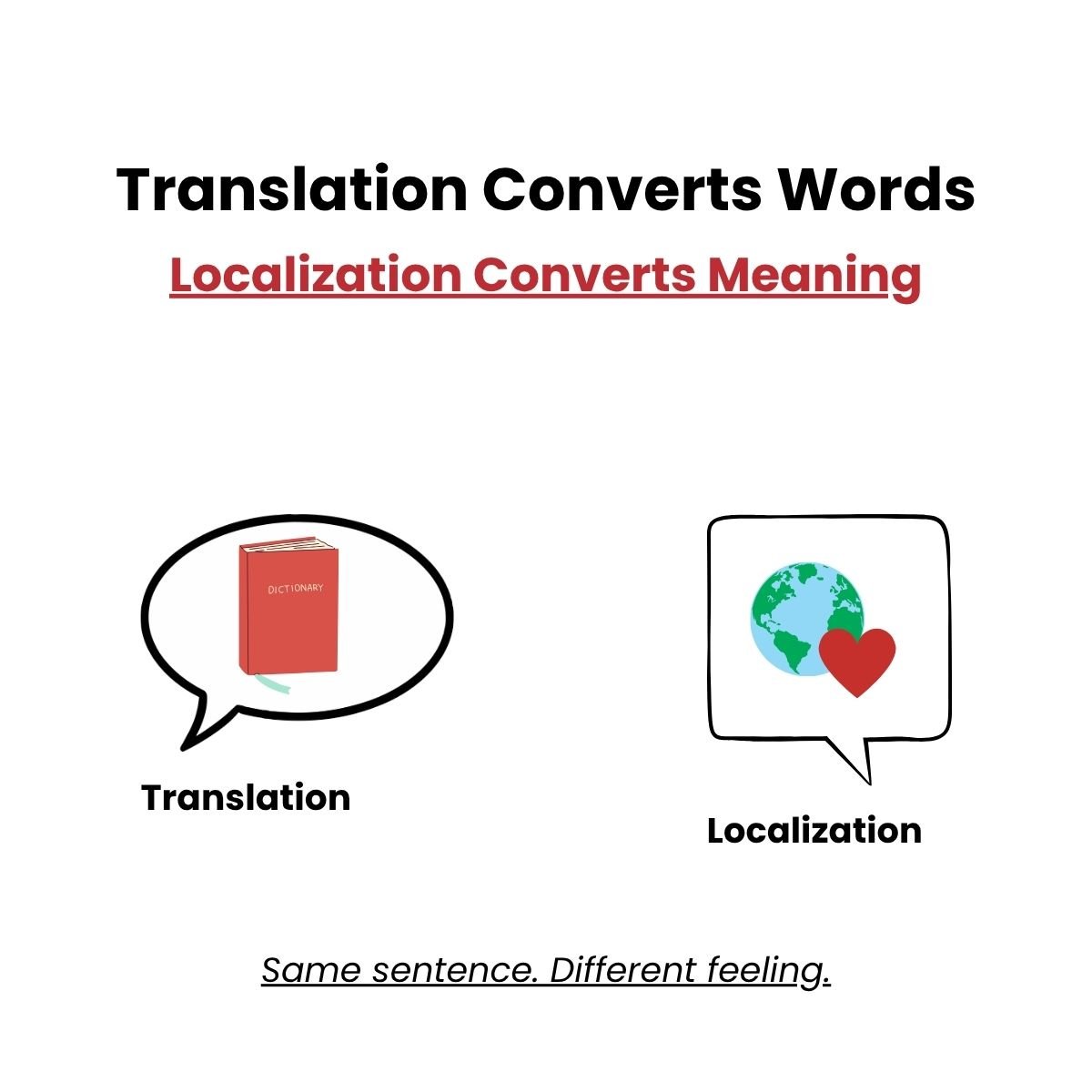
Brand messaging lives in the real world.It shows up in:TaglinesLanding pages, Ad copy, Onboarding emails, Product descriptions, Social posts, Sales decks, and Support conversations. It’s the voice customers hear again and again until they decide whether your brand belongs on their plate.Here global expansion gets tricky.Because messaging isn’t just language. It’s emotion, humor, hierarchy, urgency, politeness, risk tolerance, and social context wrapped into words.The Same Words. A Different Reaction.This is the gap between translation and localization.Translation asks: What does this sentence mean?
Localization asks: How does this sentence feel?And in brand positioning, feeling decides everything.Why Messaging Is the First Thing Customers ExperienceBefore customers test your product, they experience your message. Before they speak to your team, they read your words. Before they trust your brand, they interpret your tone.Messaging becomes the first emotional handshake.Across cultures, that handshake changes shape:Some markets respond to authority and expertiseOthers respond to warmth and relatabilitySome value direct clarityOthers prefer subtle persuasionSome expect bold promisesOthers trust measured credibilityWhen messaging ignores these cultural expectations, brands feel distant even when the offering is strong.This is the moment most companies realize they don’t need a new message. They need a new framework.
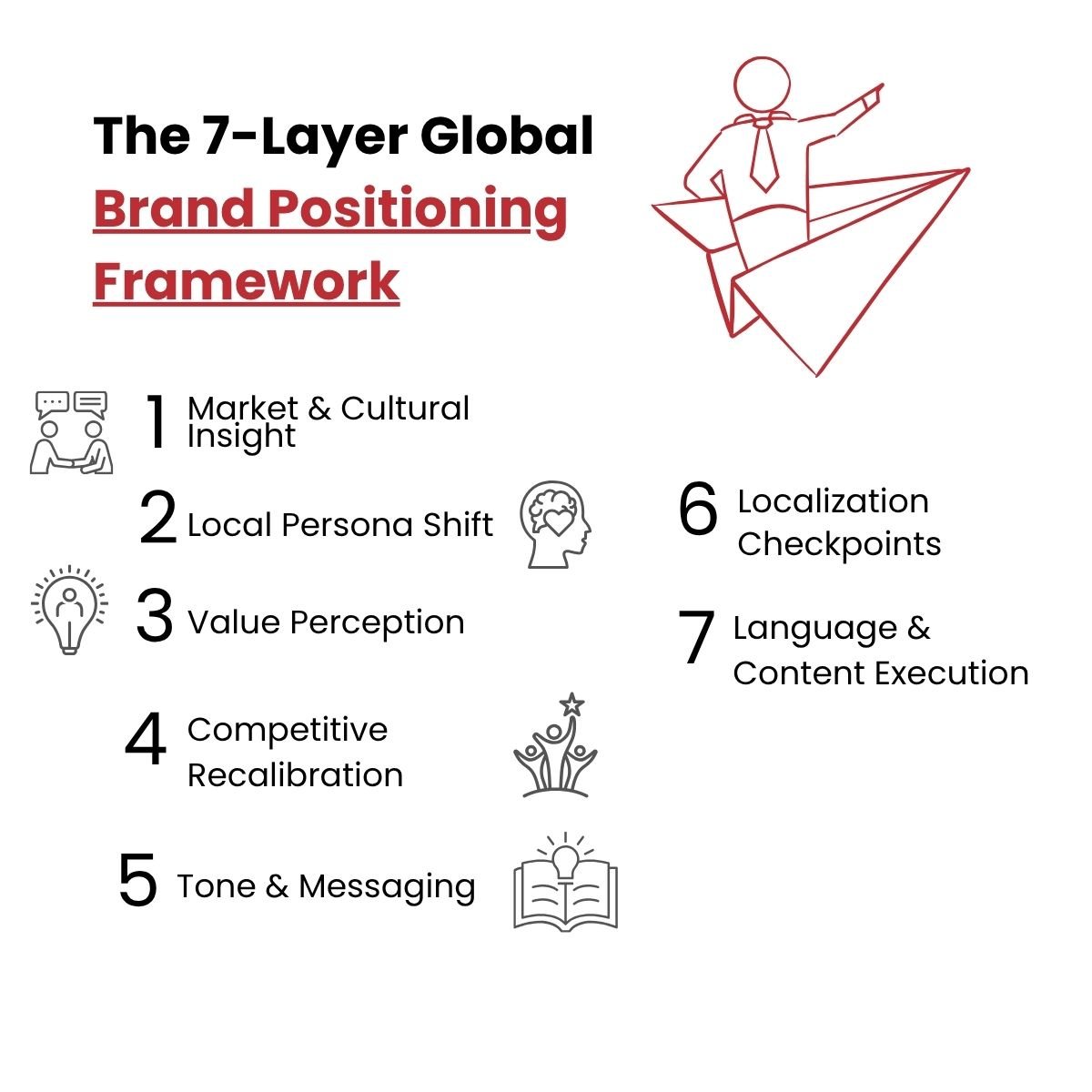
The Global Brand Positioning Template (Built for Localization)
Most positioning templates stop at what the brand wants to say. A global template must also define how that message adapts across cultures.
Think of this as the upgraded version — the one that travels well.
Use this framework when entering a new market.
1. Market & Cultural Insight LayerBefore messaging comes observation. Start by answering:
This step prevents the biggest expansion mistake: assuming the market thinks like your home audience. 2. Local Audience Persona ShiftYour core audience may remain the same: industry or role, but their motivations often change by region. Map the local version of your buyer:
The same buyer persona can behave very differently depending on cultural context. 3. Value Perception MappingYour product doesn’t change. What people value about it might. Identify which benefits matter most locally:
This step often reshuffles which features lead your messaging. 4. Competitive Position RecalibrationIn your home market, you know your rivals well. In a new market, the competitive landscape can look completely different. Evaluate:
Positioning globally often means repositioning locally. 5. Tone & Messaging AdaptationNow we translate positioning into communication. Define:
This is where localization shapes how the brand sounds in each region. 6. Localization CheckpointsBefore launching, pressure-test your positioning:
These checkpoints prevent the “technically correct but emotionally distant” problem. 7. Language & Content StrategyFinally, align execution:
Consistency across touchpoints turns positioning into lived experience. |
FAQs: Brand Positioning Template
Why is brand positioning important?
It helps customers quickly understand why your brand is different and worth choosing. Clear positioning builds trust, speeds decisions, and reduces marketing effort.
How to create strong brand positioning in your market?
Study your audience, competitors, and cultural expectations, then define a clear value and tone that feels locally relevant. Consistency across messaging makes it stick.
Give some brand positioning examples
Apple, Nike, McDonald’s, Coca-Cola, Airbnb, and Netflix nailed global positioning by keeping a strong core message while adapting to local culture and behavior.
What is brand positioning and why does it matter?
Brand positioning is the space your brand occupies in customers’ minds compared to competitors. It matters because perception drives trust, preference, and purchase decisions.
How to measure brand positioning?
Track brand awareness, perception surveys, engagement, conversion rates, and sales cycle length. Strong positioning shows up as faster trust and easier customer decisions.
Closing Thoughts
For decades, brands expanded geographically first and culturally later. That order made sense when markets opened slowly and competition arrived in waves. Today, everything launches everywhere at once. Buyers compare vendors across borders in the same afternoon. The moment your website goes live, your brand enters conversations you never planned for.In this environment, positioning cannot be designed for a single cultural lens. Perception is shaped by language, social norms, buying behavior, and local category maturity. Research consistently shows that people trust brands that communicate in culturally familiar ways and prefer content created specifically for their region. Familiarity reduces perceived risk, and perceived risk is one of the biggest barriers to conversion in B2B buying.This is why localization has moved from just marketing execution to a strategic foundation that matters a lot in Brand Positioning for your global audience.